


Skip To Top Navigation Skip To Content Skip To Footer

Medical Laboratory Science

About medical laboratory science program

The Bachelor of Science in Medical Laboratory Sciences prepares students to become medical technologists who perform essential laboratory tests used to diagnose diseases such as diabetes, cancer, and AIDS.

This program is designed for students interested in medicine, science, and hands-on laboratory work in healthcare settings.

Graduates are prepared to work in hospitals, clinics, public health facilities, and independent laboratories. Medical technologists specialize in areas such as chemistry, hematology, microbiology, immunology, and blood banking, and must pass a certification exam after completing clinical training.

Is the Medical Laboratory Science Program Right for You?

This program is a great fit if you’re interested in technology, science, and playing a key role in patient care behind the scenes in healthcare. Medical laboratory professionals must be detail-oriented, analytical, and able to work well under pressure.

This program may be right for you if you:

  • Enjoy science, technology, and hands-on problem-solving
  • Like working with computers, electronic equipment, and precision instruments
  • Are detail-oriented and able to focus in structured environments
  • Want to contribute to patient care by providing accurate diagnostic information to physicians

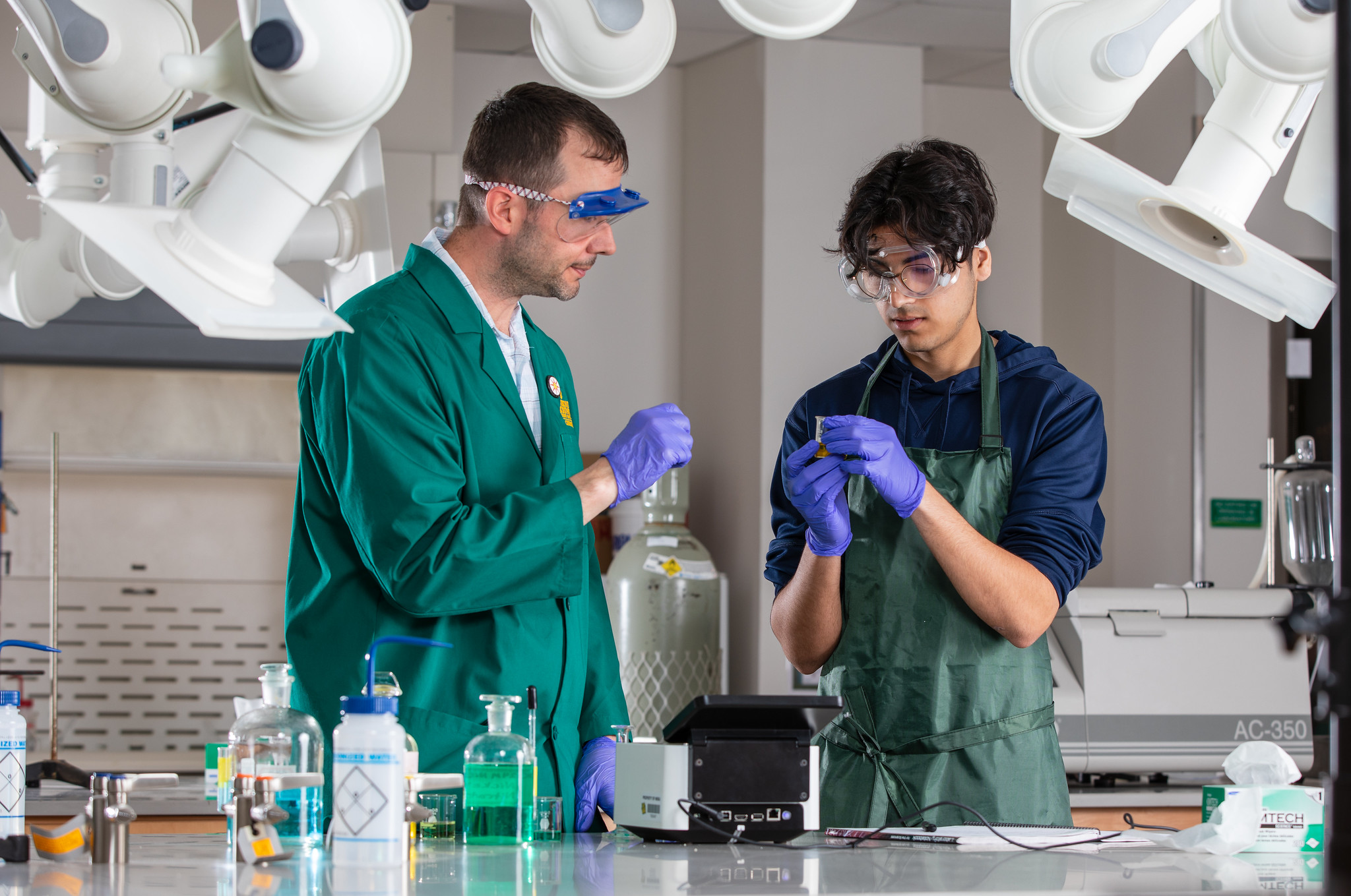
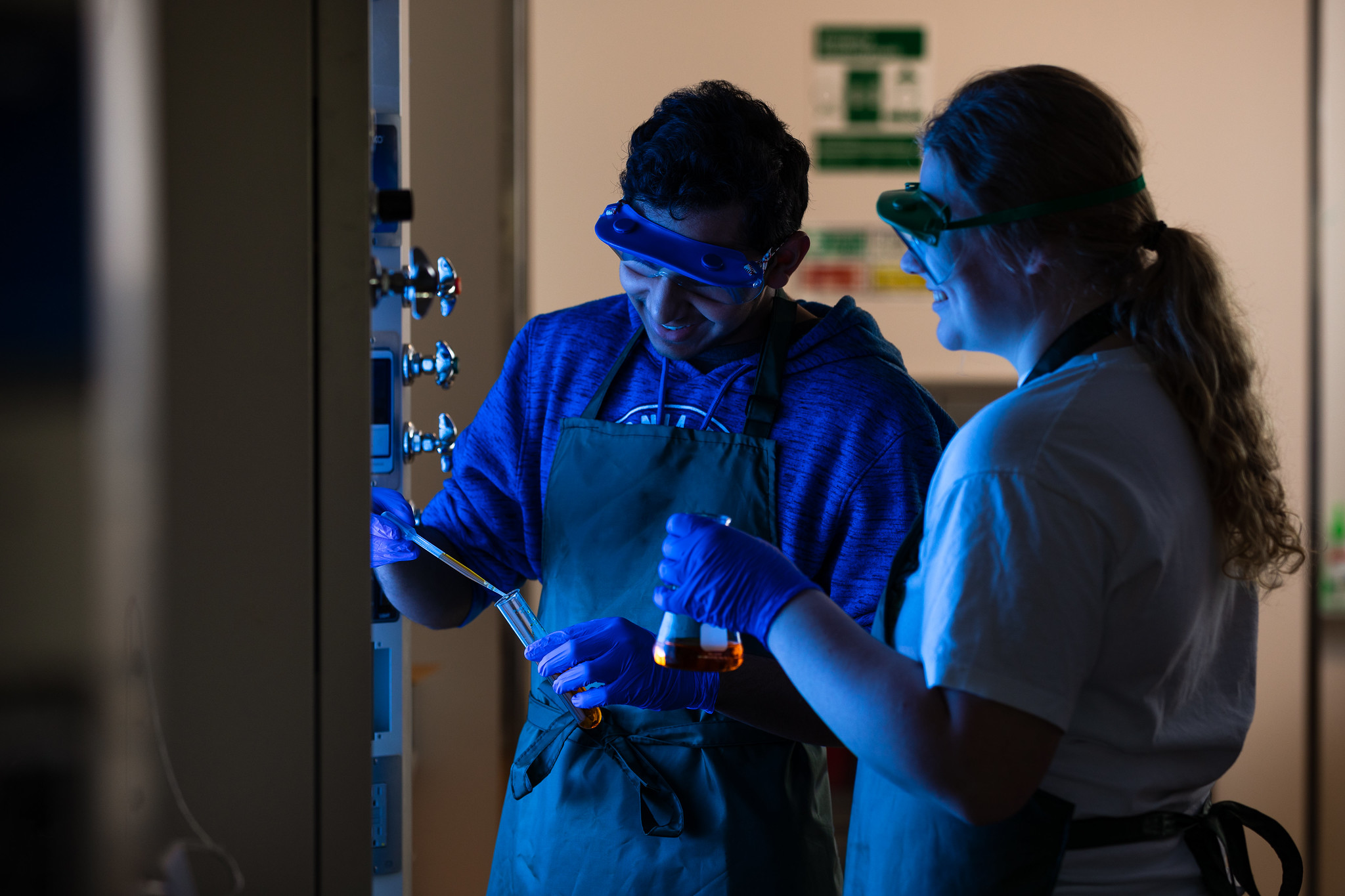
two chemistry students working in the lab

What You'll Learn in the Program

In this program, you’ll develop the technical, analytical, and professional skills needed to work in modern clinical laboratory settings.

  • Perform a full range of laboratory testing, including hematology, chemistry, microbiology, urinalysis, molecular diagnostics, and immunohematology
  • Apply pre-analytical, analytical, and post-analytical procedures used in clinical laboratory services
  • Use problem-solving skills to address laboratory challenges and determine appropriate solutions
  • Follow standard laboratory safety practices and protocols
  • Collect, interpret, and communicate scientific and laboratory data accurately
  • Understand and apply ethical standards in laboratory testing and reporting

Medical Laboratory Science Careers

Graduates of the Medical Laboratory Sciences program are prepared for careers in clinical laboratory settings where they play a critical role in disease detection, diagnosis, and patient care. This field offers strong opportunities in healthcare, science, and diagnostics.

Common job titles include:

  • Medical technologist (medical laboratory scientist)
  • Clinical laboratory scientist
  • Medical laboratory technician
  • Blood bank technologist
  • Microbiology technologist

Graduates of MSSU’s Medical Laboratory Sciences program often work in hospitals, diagnostic laboratories, clinics, and public health facilities. The demand for skilled medical laboratory professionals continues to grow as healthcare relies increasingly on accurate diagnostic testing.


Curriculum & Courses 

The Medical Laboratory Sciences program includes foundational science coursework, advanced laboratory classes, and clinical practice experience. Students complete required credit hours in biology, chemistry, and laboratory sciences as part of a structured degree pathway.

Catalog

Program Format, Location & Schedule

The Medical Laboratory Sciences program is offered on campus in Joplin, Missouri. Most students complete the program in four years of full-time study, including classroom instruction and clinical practice experiences.

  • Format: On-campus
  • Location: Joplin, Missouri
  • Schedule: Full-time
  • Time to completion: Approximately 4 years
mssu students talking in front of BSC

Ready to take the Next Step?

Apply    Request Information
students at a table talking with eachother
Invest in Your Future

Tuition

Learn More
MSSU graduate holding diploma and smiling
Fund Your Future

Financial Aid

Learn More

Frequently Asked Questions

Related Programs You Might Like

  • Chemistry (BA) – A broad study of chemical principles including organic, inorganic, and physical chemistry. Ideal for students interested in research, industry, or graduate and professional school.
  • Chemistry (BS) – Explore a science-focused degree with emphasis options in biochemistry, forensic science, health professions, and more, preparing students for careers in industry, healthcare, and graduate study.